loader image
Eclectic Photography
My Magnificent Seven: Photography & Location Lighting Kit For Dog Portraits

My Magnificent Seven: Photography & Location Lighting Kit For Dog Portraits

My Magnificent Seven: Photography & Location Lighting Kit For Dog Portraits

Carry any back pack over a few miles with kit for natural light photography and you will learn the importance of selecting the equipment you need in relation to trying to save weight, but add flash to this kit and things become even more difficult.

When I was a kid, I remembering watching the film the Magnificent Seven, and as a result, the number 7 and Magnificent have stuck in my brain ever since. The idea behind this blog, was to choose 7 pieces of photography kit that I consider to be my magnificent seven, in relation to dog portrait location lighting. The kit needs to be as ultra-portable as possible, but still provide me the creativity to create the types of images that I desire. Moreover, the kit needs to be suitable for a hike to any location I choose.  

sony alpha a7 iii scaled

Sony A7lll

The Sony A7lll was introduced in 2018, so it’s classed as an old camera today, but it’s still a great camera, that can do a lot of photography very well. Is there a better camera in 2023? The simple answer is yes, but like any tool, once you learn to use it, the sony A7lll will serve you very well. For a full frame camera, the size and weight are ideal in relation to keeping kit as light as possible.

thumbnails large AssetHierarchy ConsumerAssets DigitalImagingAssets eCommHeroImages SEL135F18GM 02 SEL135F18GM B

Sony 135mm f/1.8 GM

When taking outdoor lifestyle images be it, equine or canine related, I personally love the look of the 135mm focal length when shot wide open. I had originally been using a Canon 135 f/2 on my Sony A7lll via a Sigma MC-11 adaptor. The MC-11 worked 90% of the time, but I yearned for fast snappy auto focus for moving subjects, so I thought a native lens would make sense. After selling the Canon 135 with some other glass I no longer used or needed, I took the plunge and purchased a Sony 135mm f/1.8 GM as it had been on my lens bucket list for some time. Personally, I think that the Sony 135mm is a little overpriced. However, after using it for a month, it’s certainly more of a viable option than the adapted Canon I used to use. There is just something unique about the 135 focal length wide open, it renders a very distinctive look in my opinion. The Samyang was another 135 I considered costs half of the Sony 135 GM.    

FranRio1 copy
FranRio Paw Shakes1B scaled
ad300pro 08 orig

Godox AD300 pro

On forums two statements or questions that often come up in relation to Godox lighting are: “how much power do I need to overpower the sun?” or “Should I get the AD600 pro or AD400 pro?” Responses are often: “ I can over power the sun with my AD200” or “get the AD600 pro, it’s better to have more power”.

As everyone’s lighting desires and needs are different together with their finances, my aim is to suggest why I think the Godox AD300 pro is a light worth a lot of consideration.

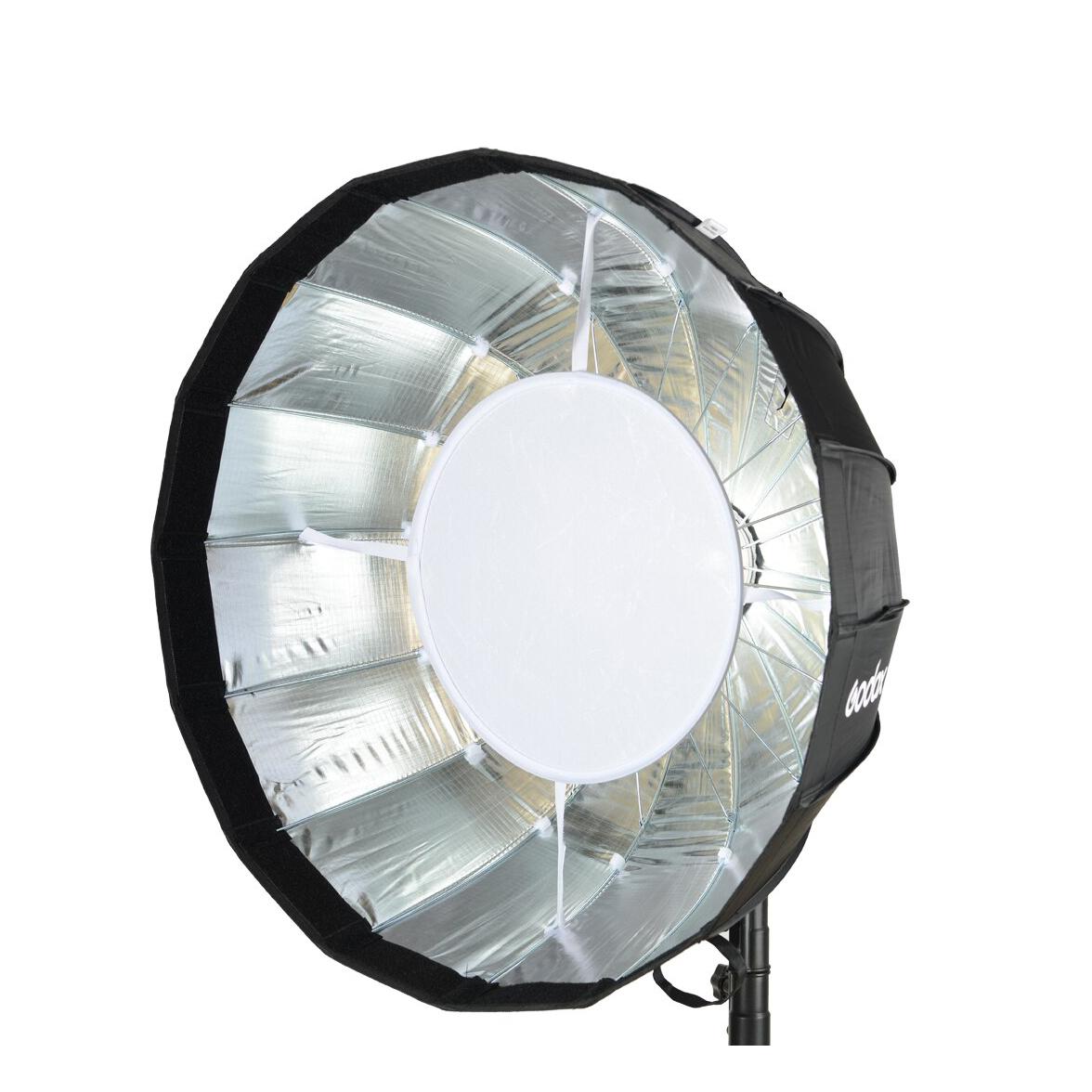
For location lighting, the AD300’s size and weight make it ideal in relation to its power output. We used the Godox AD-S65S 65cm as our main light modifier for all of the images of my wife Fran and Rio our 14-week-old border collie in this post. In terms of power, the AD300 was set at 16th power. But how did we make use of the AD-S65S? was the modifier double baffled, or did we use it as a beauty dish? From the images can you tell? The versatility of the AD-S65S is why it is a modifier I choose to take on location. The AD300 paired with an AD-S65S provides a good balance as a lighting modifier in relation to the style of lighting that can be utilised and as it attaches directly to the AD300 via the Godox mount, there is no need for a bracket (more weight and bulk removed)
fplfx100pt 6 1024x1024 1

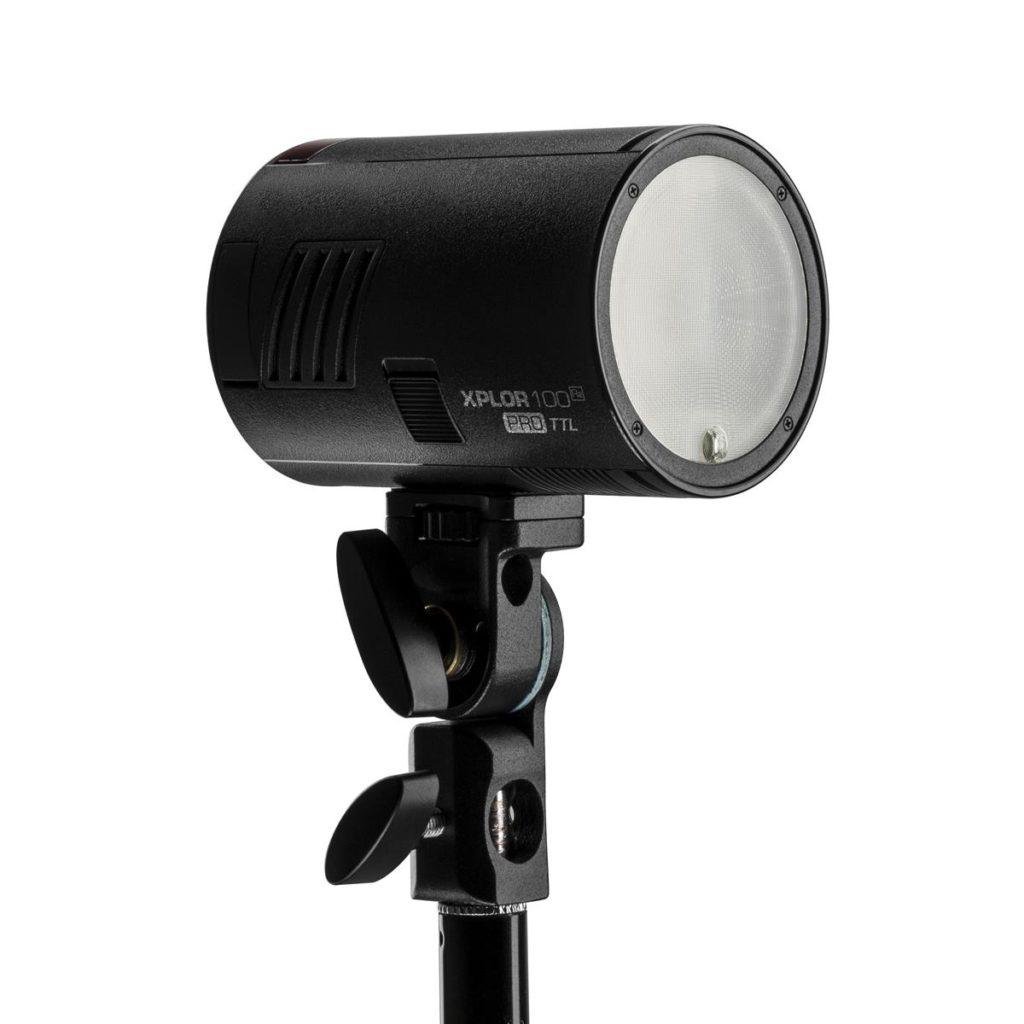
Godox AD 100 Pro

When the Godox AD100 pro was first released it was perceived as being overpriced and limited in power compared with the Godox AD200. Both of these opinions are valid, but why do people focus on price and power and nothing else? Why the versatility of the AD100 is so overlooked surprises me. The reality is that you have to think about how you plan to make use of this little light in order to see its magic. Moreover, in relation to its size and power, I cannot think of another flash of this size, that provides an ultra-portable flash with such little weight and compact size, it’s a Strobist Gini in a plastic can, making it ideal for a two-light setup.
Godox 65cm AD S65S built in silver Deep Parabolic softbox with honeycomb grid Godox Mount

Godox AD-S65S 65cm

The Godox AD-S65S is based on an umbrella style mechanism softbox that measures 65cm, there is a larger AD-S85 which I also own, but for me the ADS65S provides me with what I want lighting modifier wise due to its compactness and versatility.

fprrr2spt

Flashpoint R2 Single Pin Transceiver

As far as I know these non TTL transceivers cannot be purchased in the UK, which is a shame as they are simple to use, small in size, weight compared to the usual Godox triggers and are very reasonably priced. I purchased two R2’s for £30 via a friend in the states as I wanted to use them for as part of a hypersync set up. I have various Godox TTL triggers, but as I mainly shoot manual flash and have no need of TTL, I tend to use the R2’s all of the time to trigger my Godox lights. Godox should sell these in the UK.  

phottix padat carbon compact 198cm light stand

Phottix Padat 198 Light Stand

Over the years I have tried numerous compact light stands and learned that you get what you pay for. From my experience finding suitable light stands has a lot to do with trial and error and I thought the Manfrotto Nano’s were a good option until I won a bid on eBay for a brand new Phottix Padat 198 carbon fibre light stand. These Phottix light stands are very compact reach a height of 198cm and also have an adjustable leg for uneven ground. The design and build quality are to a very good standard and can easily hold my lighting kit mentioned above securely. These are the best light stands I have ever purchased.


Well, that’s my magnificent seven kit list for location lighting be it equine or canine outdoor shoots.     

The Amazing Train Street In The City Of Hanoi

The Amazing Train Street In The City Of Hanoi

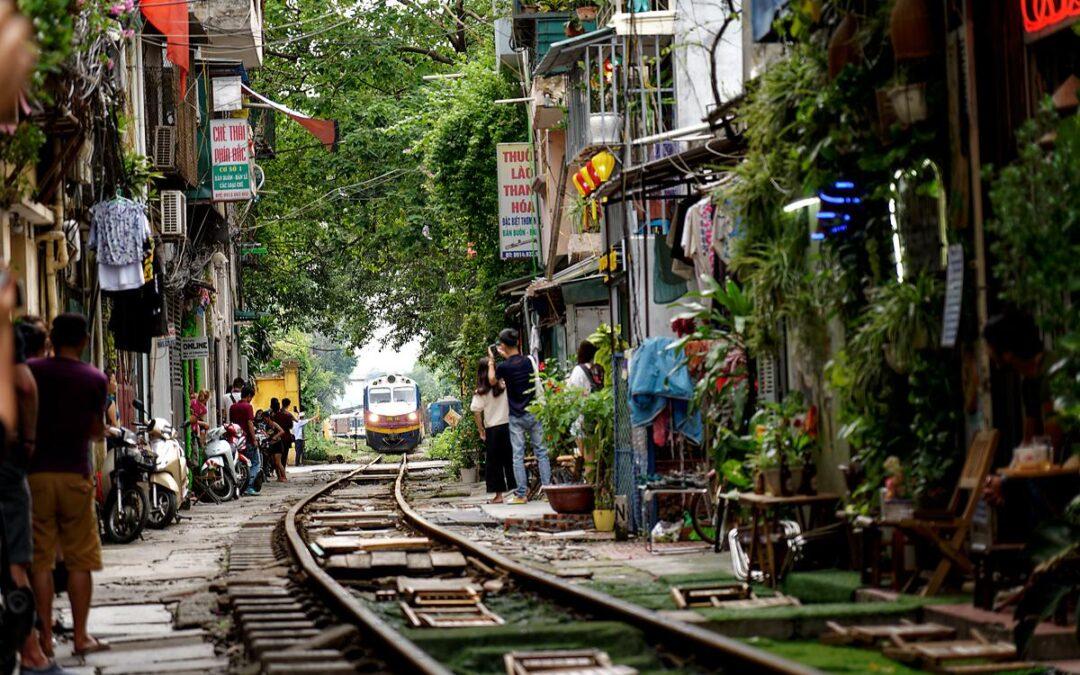
There’s a very unique place in Hanoi that attracts tourists but its opening times are governed by train times and if you are visiting Hanoi, it really is worth a look.

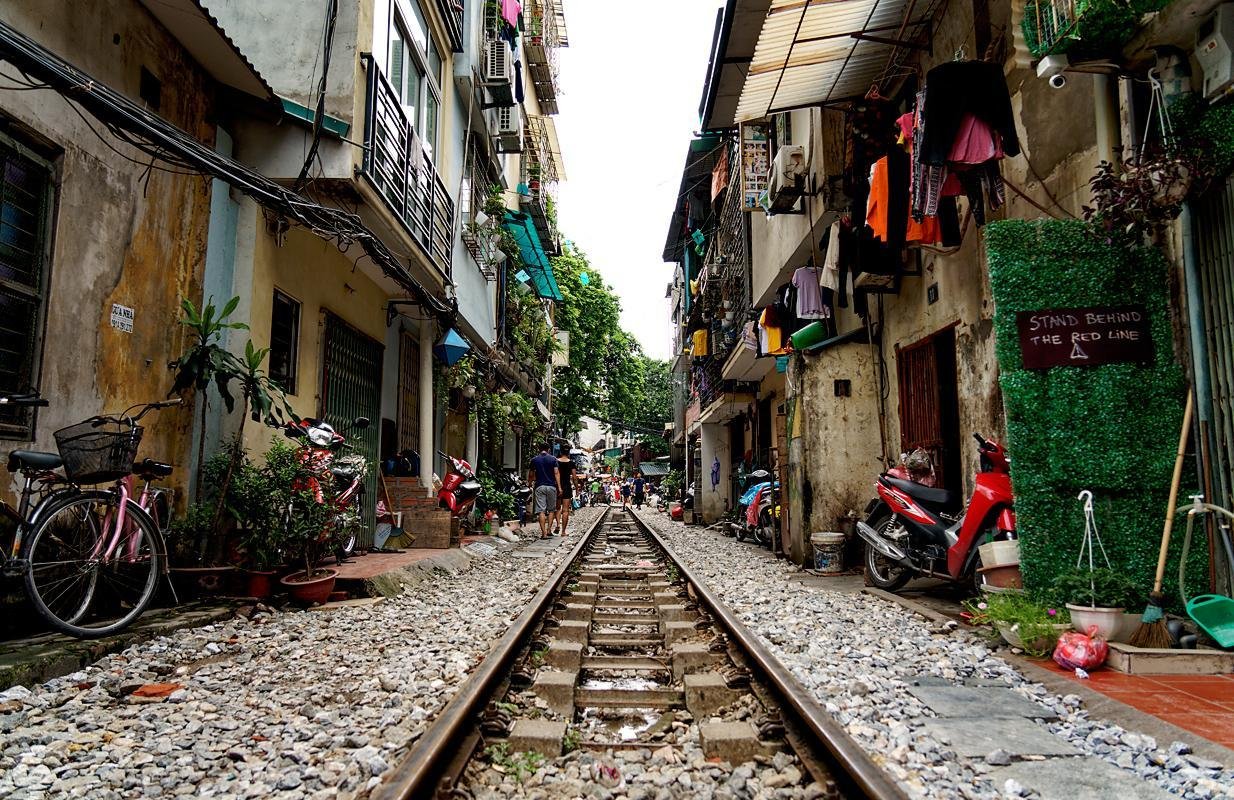
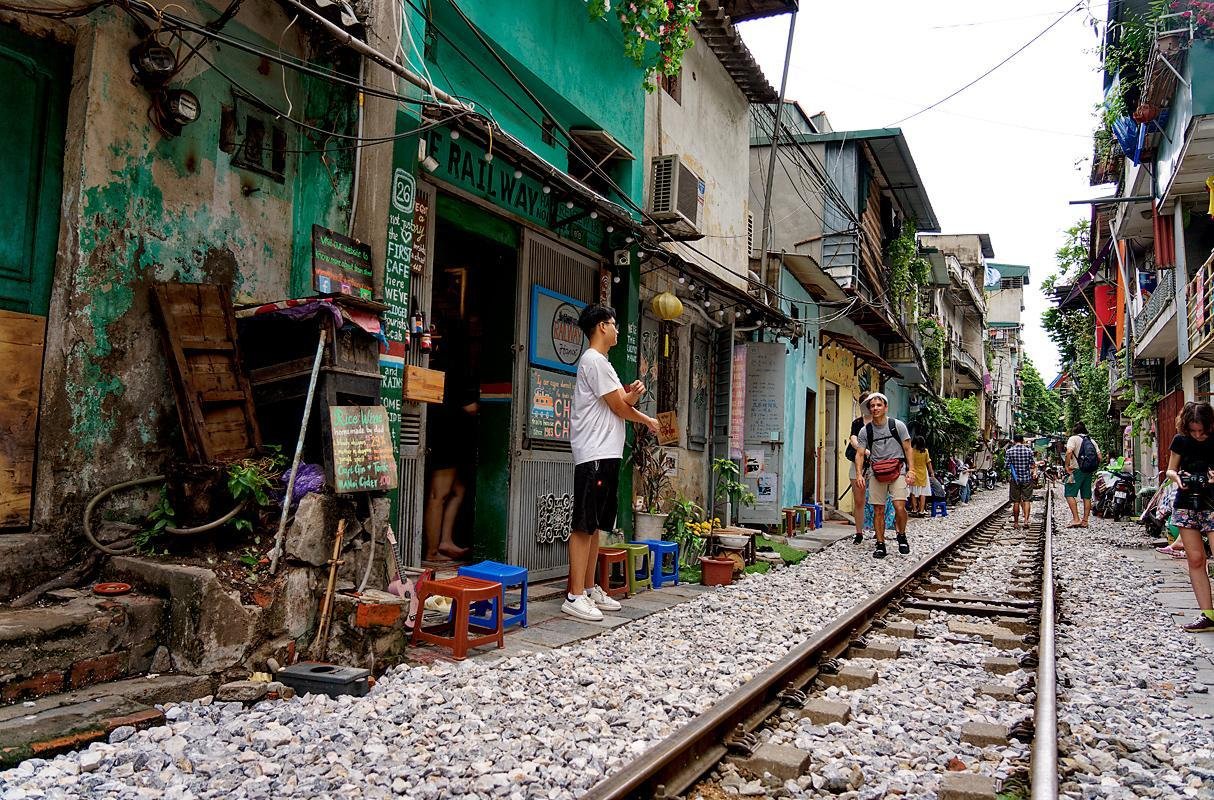
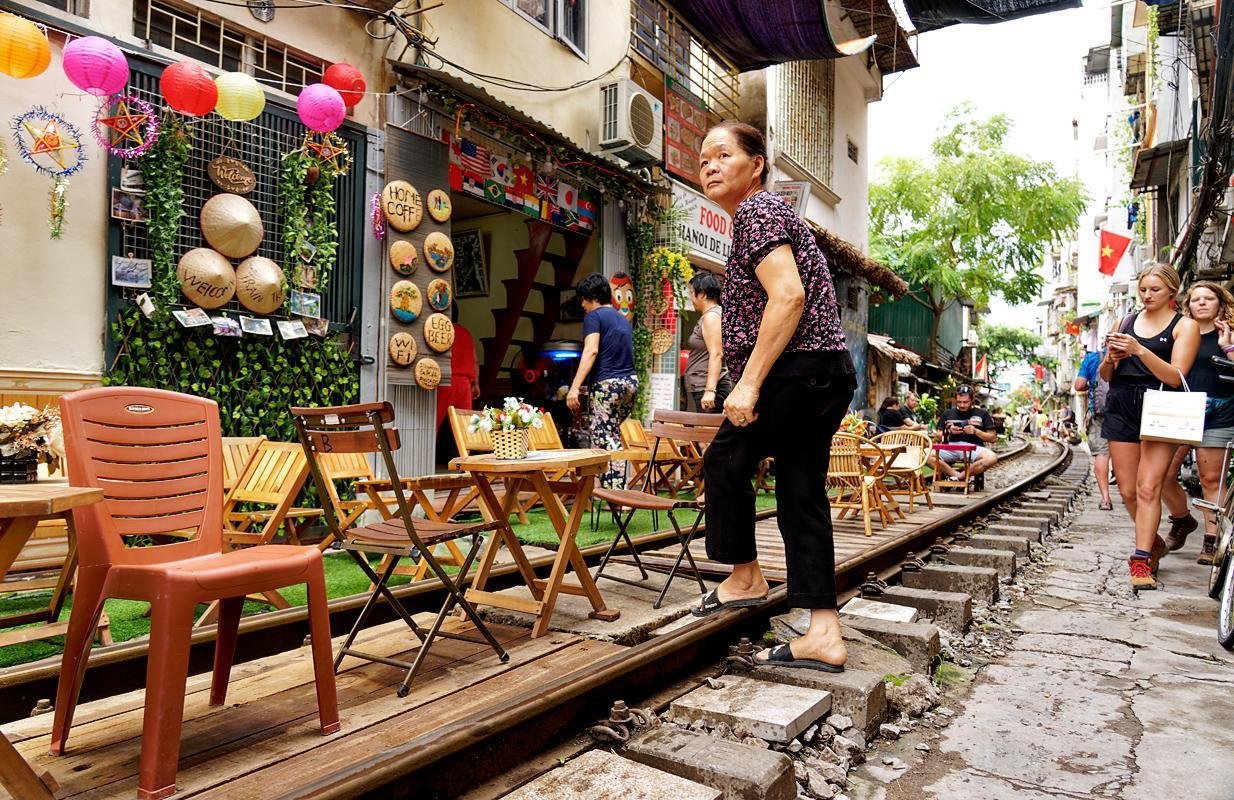
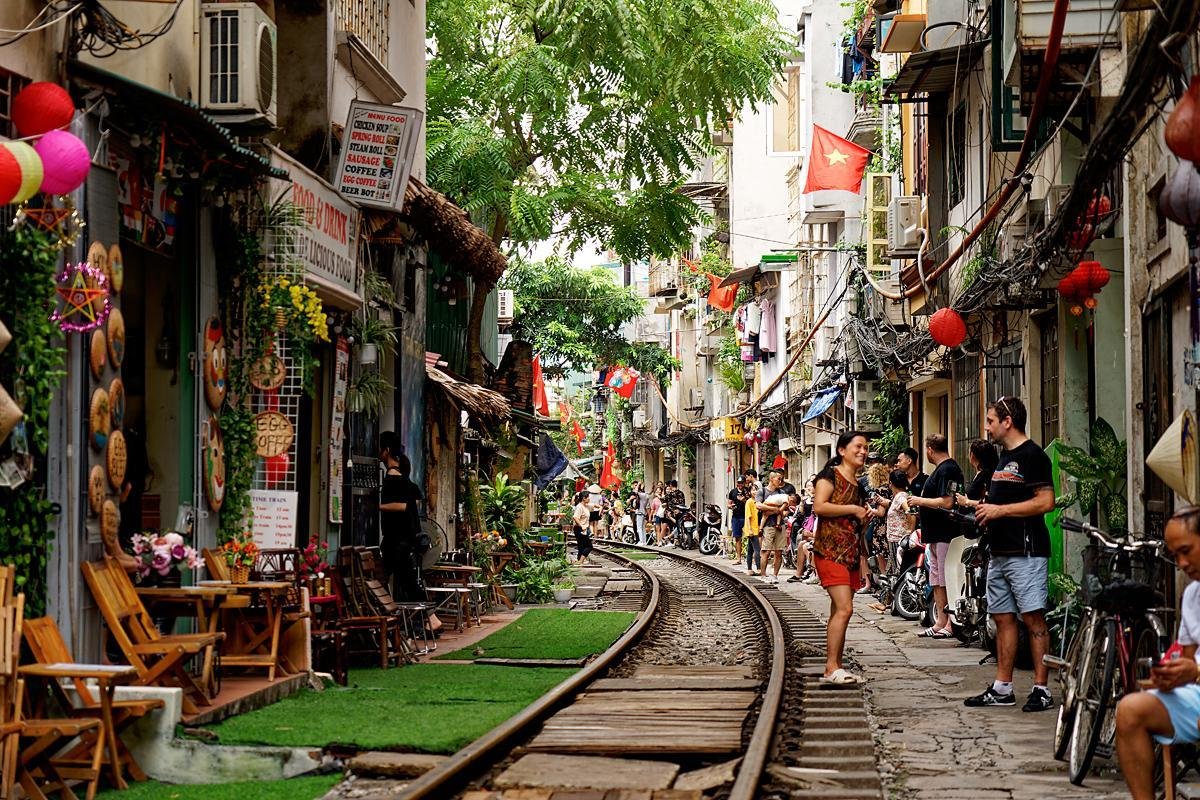
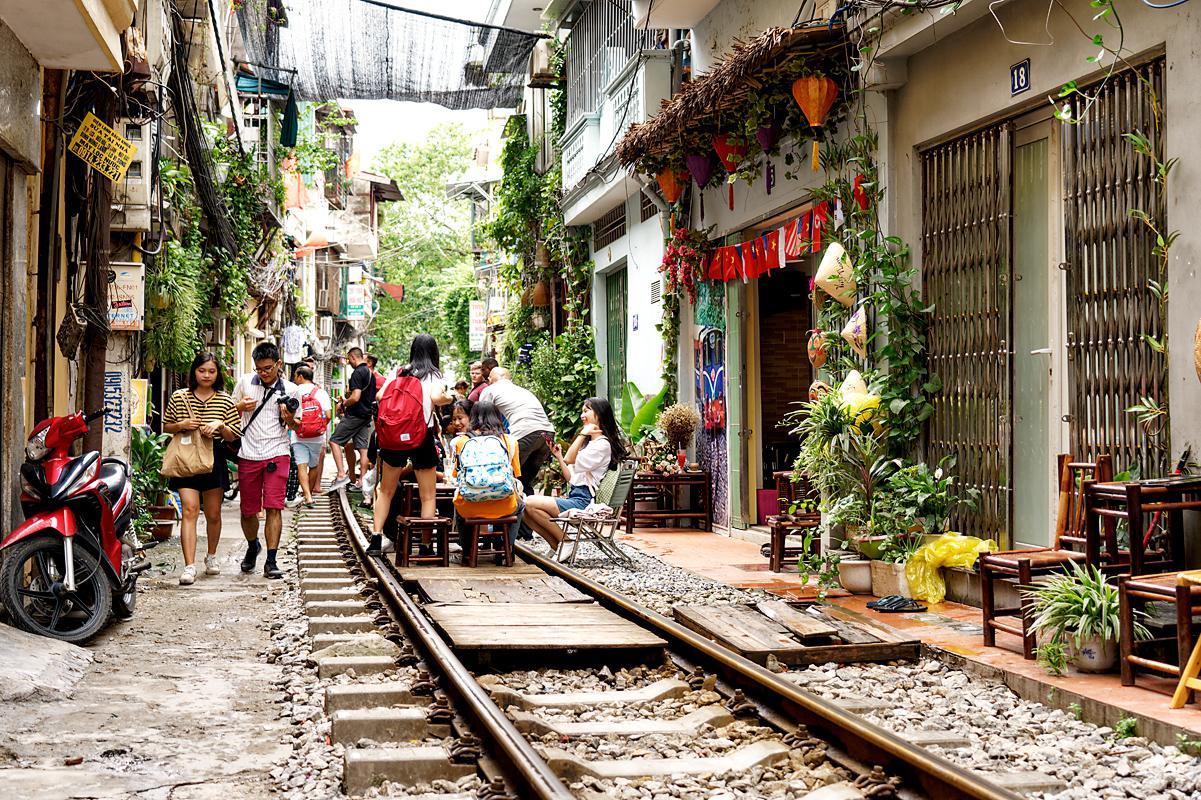
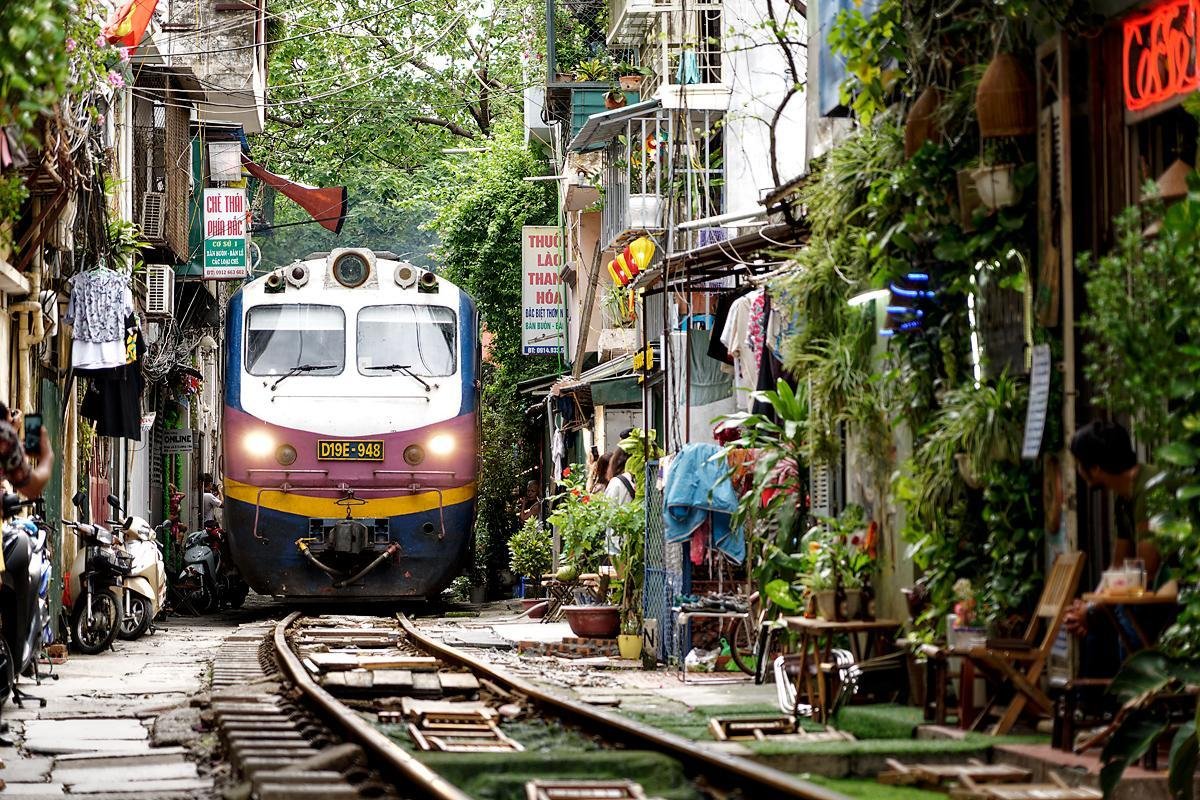
Hanoi railway winds through the city like many cities and towns, but when it reaches Train Street, the tracks and train pass within a few feet of open front doors to buildings and people’s homes.

Recently cafes have sprung up to cater for the thirsty selfie takers and the hungry traveller.  People live and work on these tracks, some now make a living selling their goods between train times, and when the train horn is heard, tables, chairs pets and children move out of the trains path before it thunders past.

What was once a street where it was cheap to live and mainly known by locals, has now become popular tourist hot spot to experience something that is unique and only found in Hanoi.

Fran Hanoi Train
DSC5328 DxO 1

There are two sections of Train Street in Hanoi where you can watch the trains pass and have a surreal experience.


  • Lê Duẩn – this section is further out of town with just one cafe to view the passing train from. It’s between Lê Duẩn and Khâm Thin street. You can locate it in Google Maps as Ngo 224 Le Duan.
  • The Old Quarter section – this part of Train Street has cafes, a homestay and shops along the tracks. Enter Hanoi Street Traininto Google Maps and you’ll find two sections to explore either side of Tran Phu main road.

What are the times that the trains run along the tracks?

Through the Lê Duẩn section:

  • 30pm
  • 30pm.

It will be dark during the second passing so try for 3.30pm.

Through the Old Quarter section:

  • Weekdays: 6am and 7pm
  • Weekends: 9.15am, 11.35am, 3.20pm, 5.45pm, 6.40pm, 7.10pm.
  • After returning to the UK from Vietnam, I read that recently access to Train Street has been restricted to tourists, not sure if this is enforced 24 hours a day, but I doubt officials would be around that area at 6am in the morning?


These times may change, so are purely provided as a rough guide.


Train Street Hanoi
London To Brighton Classic Car Run

London To Brighton Classic Car Run

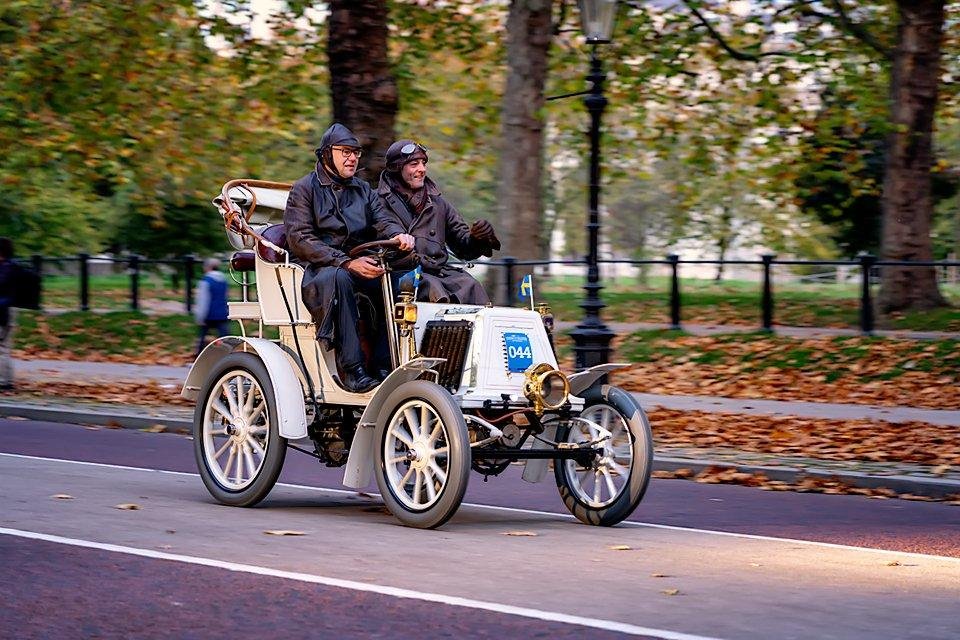
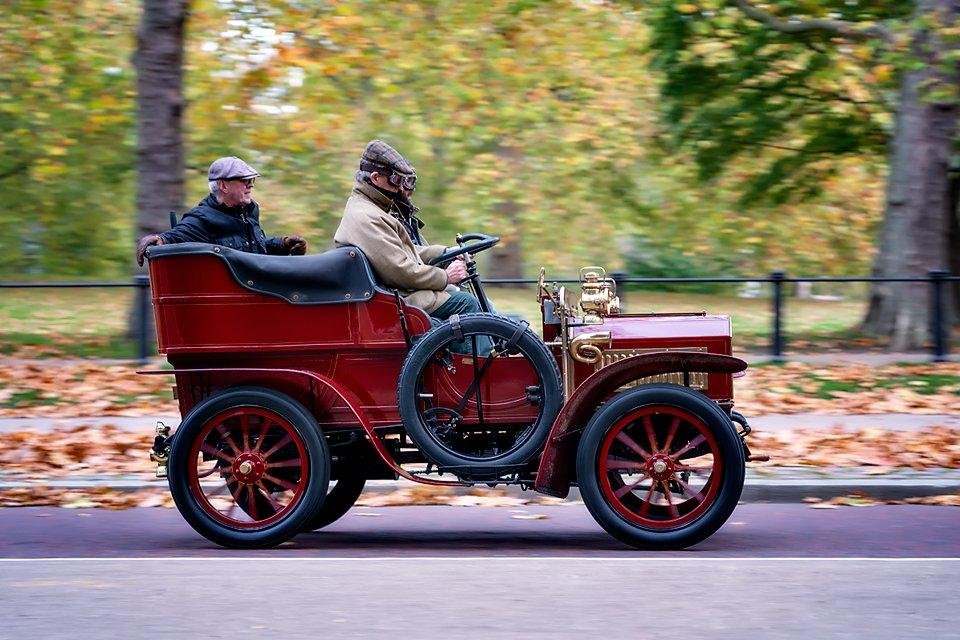
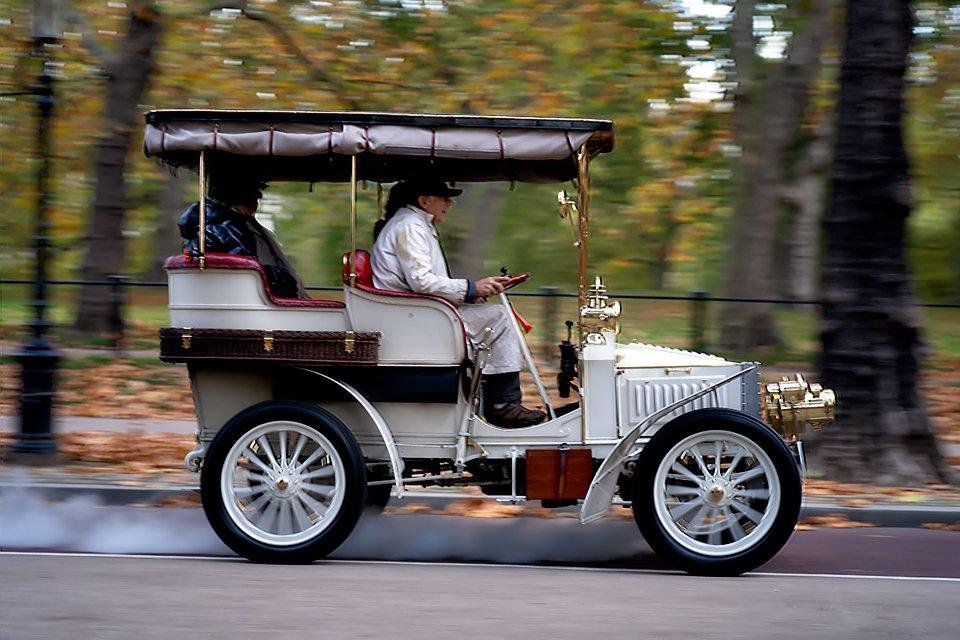
The London to Brighton Car Rally is the world’s longest running motoring event and as Sunday the 7th of November 2021 commemorated the 125th anniversary of the famous Emancipation Run of November 1896, I wanted to photograph it and share what we learned from a photography perspective so that other people may find aspects of our experience useful.

The London to Brighton run has taken place most years since its initial revival in 1927. It currently takes place on the first Sunday in November, starting at sunrise in Hyde Park London. mostly following the old A23 road to the finish at Brighton – a distance of 54 miles (87 km).

Previously Fran and I tried photographing the cars and drivers within Hyde Park about 8 years ago, but learning from that experience I wanted to minimise the distractions of high visibility jackets and security fencing at the starting point.

After looking at the route we concluded that Constitution Hill was probably a good option photographically, so we caught the Tube to Hyde Park Corner and the walked down Constitution Hill to look for photographic vantage points, but due to a tube delay we arrived just as the first cars were leaving the starting point.

London to Brighton Car Rally 4
London to Brighton Car Rally 9
London to Brighton Car Rally 5
London to Brighton Car Rally 7
London to Brighton Car Rally 6
London to Brighton Car Rally 8

If you would like to learn more about Lens Choice & Lighting and our photographic intention, you can read more on our projects page here: https://k2photographic.com/projects/

The Interesting Story Of Spite, Malice & The Ginnel

The Interesting Story Of Spite, Malice & The Ginnel

What’s the story behind the Spite and Malice Ginnel?

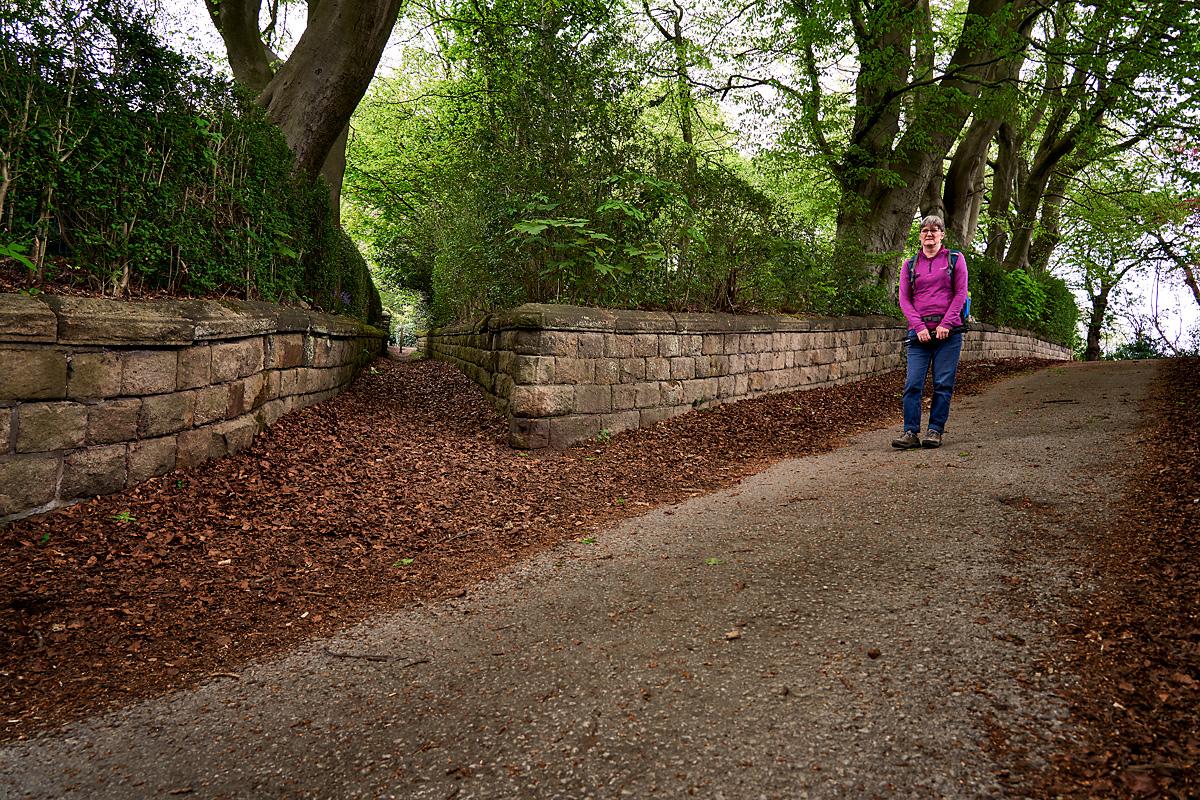
In order to provide some context to the story behind Spite, Malice and the Ginell, I need to start at the beginning. Today Cragg Wood is a conservation area in Rawdon, Leeds, West Yorkshire with some very expensive houses, but it was once part of the great belt of primaeval woodland which stretched from Hawksworth and Newlay Woods on the north side of the river Aire, to Bramley and Windhill on the south of the river Aire. It is said that some of Cragg Wood was planted in 1631 (by Francis Layton?) One thing is for sure, there was very little development before the Midland Railway arrived at Apperley Bridge in 1846 which made it possible for Bradford textile barons (or at least baronets) to live in a deeply rural ambience yet commute daily to their mills and warehouses. Geographically the wood looks towards Bradford, with its wealthy residents very much Bradford orientated.

Nathanial Brigg developed Cliffe Drive, Cragg Wood Drive, Woodlands Drive and Underwood Drive as four fashionable west/east carriage drives with lodge houses at their entrances. He had the woods landscaped and planted with trees and shrubs, many mature specimens of which remain today. The Cragg Wood area is located on the southern facing slope of a wooded valley. The valley follows the course of the River Aire, with land rising relatively steeply from the washlands on either side. The Leeds & Liverpool canal and railway have taken advantage of the valley bottom and add to the picturesque settings and views from and towards Cragg Wood.

The villa developments took advantage of the sloping topography. Houses were built on the varying terraces of the valley side, allowing each to benefit from open views across the valley. In the 1881 census, of the 24 “big houses”, 20 were occupied by textile magnates. Today some of those houses can still be found in Cragg Wood such as Summer Hill, Daisy Hill, Cliffe cottage and Cragg Royd, plus cottages at Cragg Terrace (known previously as Cragg Bottom or Cragg Row).

Cragg Wood and it’s houses would have attracted many well-known Yorkshire family names, but it is the Ripley Family and the Briggs family who are associated to the story of Spite and Malice and the Ginnel

Crag Woods LanesGinels1 copy
SpiteMalice Fran1 copy

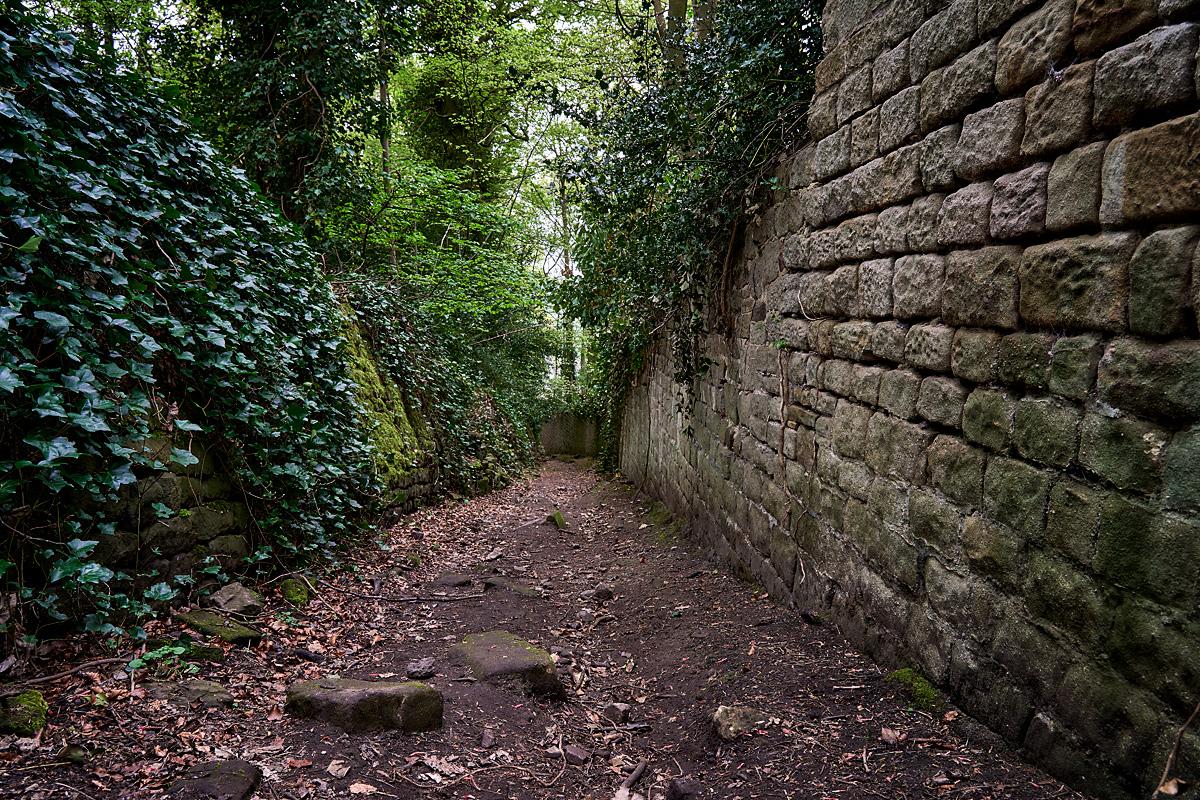
Spite & Malice is the expression used to refer to both the ginnel and the dispute from which it took its name. It is difficult to discover the true story. However, a pre-1914 post card is reproduced in ‘Round and About Aireborough’ Vol II. Martin Rigg, and is entitled ‘Spite and Malice’.

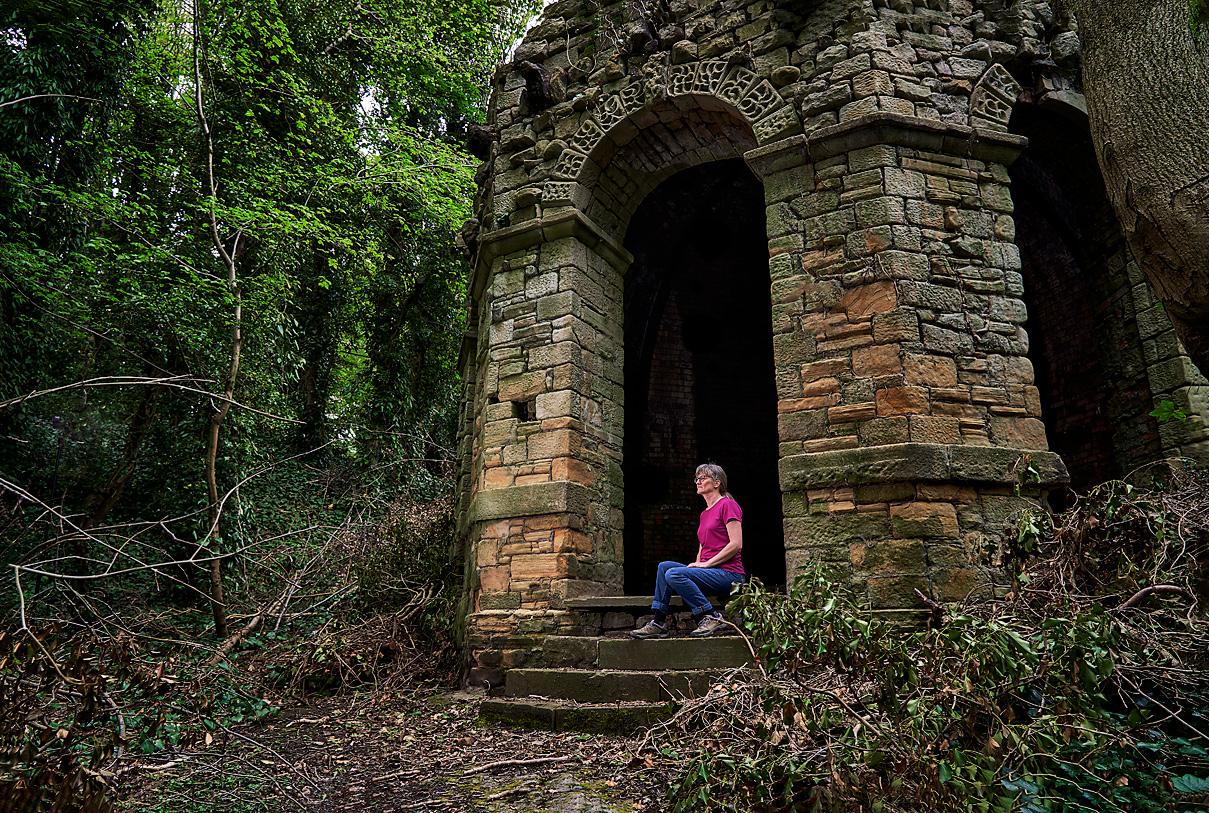
Basically, the story is that after Milligan’s death, when the Ripleys were living at Acacia to the west of the ginnel and the Briggs at Cliffe Cottage to the east, ever higher walls were alternately built on both sides to prevent one household viewing the other. Ultimately large towers were built on each side. Briggs’ tower has been demolished, though traces remain, but on the Ripley side a strange beehive-shaped summerhouse, somewhat like a Celtic broch, still remains.

The mystery is why wealthy civilised people, connected by marriage and business, should behave in this childish way, though if Briggs’ eyesight was failing it may have affected him in other ways. Another reason may have been political in that the Ripleys had turned Tory and from Congregationalism to Anglicanism, whereas Briggs remained a Liberal and strongly Baptist. In this connection it is noteworthy that Ripley was unseated after the 1868 Parliamentary election in Bradford on a petition alleging that he had been responsible for corrupt practices. It was claimed that some of his supporters had supplied opposing voters with so much liquor that they were incapable of voting! As a Baptist Briggs would, of course, have strong views on liquor. Again, it could have been that one party owned land between parcels belonging to the other and was able to frustrate development.

Spite Malice Fletcher3 copy
Spite Malice Fran2 copy
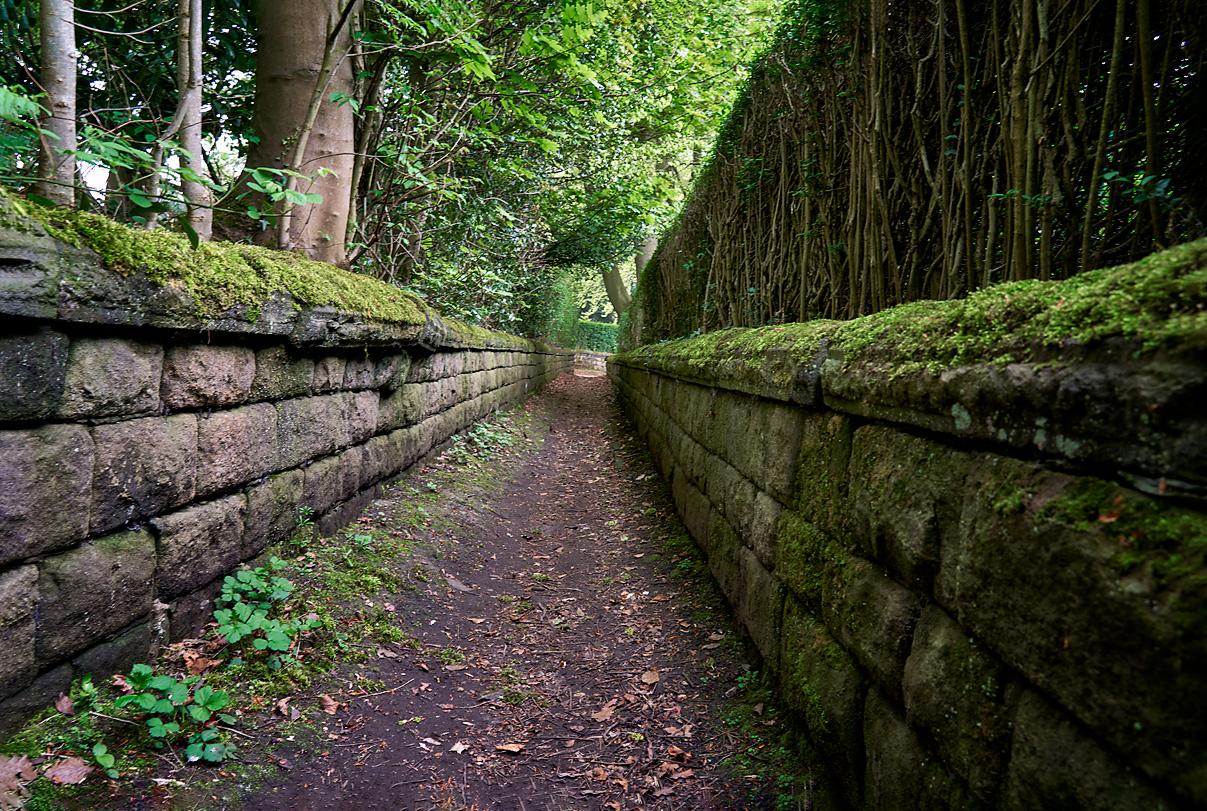
Spite Malice Ginel copy
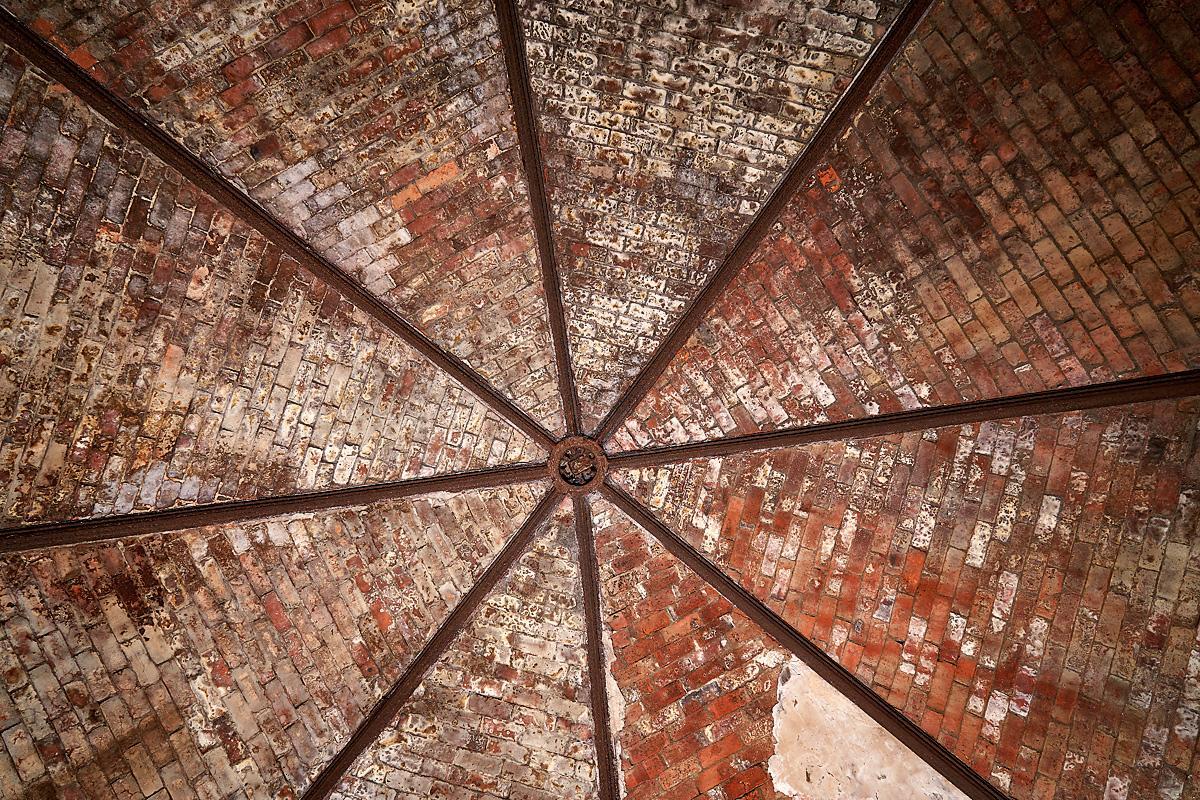
Spite Malice Roof copy

Your content goes here. Edit or remove this text inline or in the module Content settings. You can also style every aspect of this content in the module Design settings and even apply custom CSS to this text in the module Advanced settings.

Crag Woods LanesGinels3 copy
Crag Woods LanesGinels2 copy
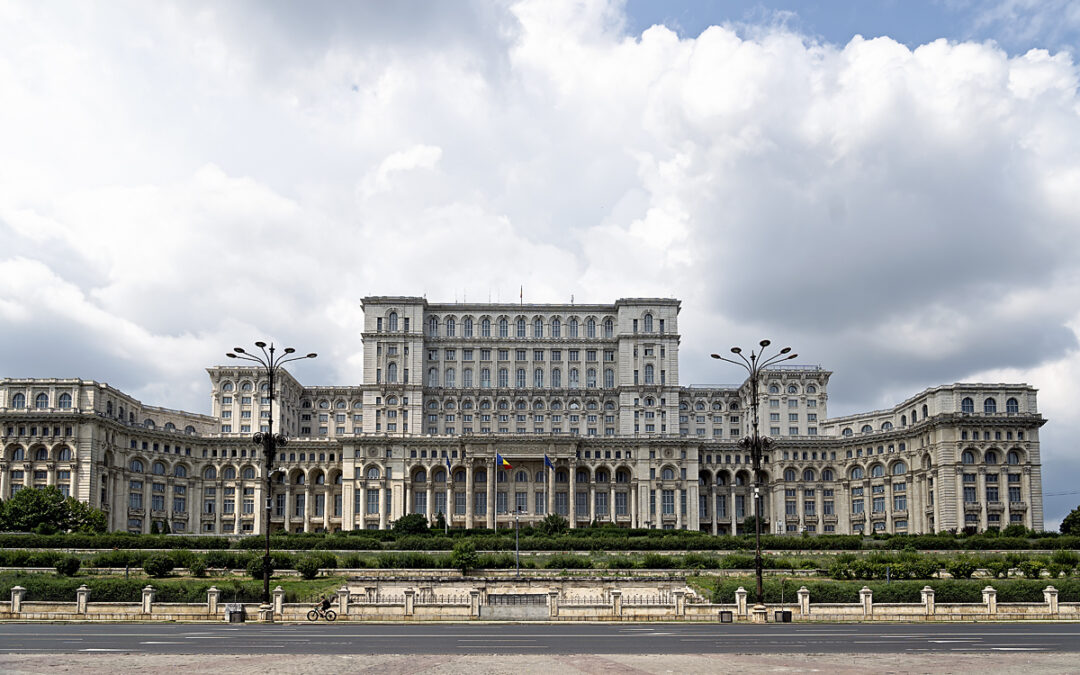
Palatul Parlamentului Bucuresti – Romania

Palatul Parlamentului Bucuresti – Romania

Palatul Parlamentului Bucuresti Romani

Twenty-eight years ago, I travelled across Europe via an Inter Rail Pass, but despite getting as far a Poland, I never made it to Romania to visit Transylvania and the famous castle and the stories of Dracula.

As this summer approached Fran and I both started thinking about where we could go.  We had both thoughts about taking the VW van to Romania previously, but we decided that taking the van would eat into the time we would have in traveling in Romania. The plan was to fly to Bucharest, spend a few days in the city, then catch the train into Transylvania, spend a few days in Brasov, then catch another train to Sighișoara, spend some time there, then get a final train to Sibiu and hire a car so that we could get off the beaten track.

Bucharest is a big city that is split into six sectors; the transport system is like any other city. However, currently there is no metro from the airport to sector 3 where we wanted to be based, so if you are traveling independently, your choices are either, taxi or bus. We opted for the bus, which was a bit of a challenge if it is your first time.

I hope this info helps others who have just landed. From the arrivals area follow the picture signs for buses, walk down the stairs until you can see the road outside, when you walk out of the doors, turn right, keep walking straight ahead past all of the other machines that look like they dispense tickets, eventually you will see a little hut with a glass window, this is where you can purchase tickets. Might sound simple, but that little ticket both is not easy to locate, as there is no information anywhere.

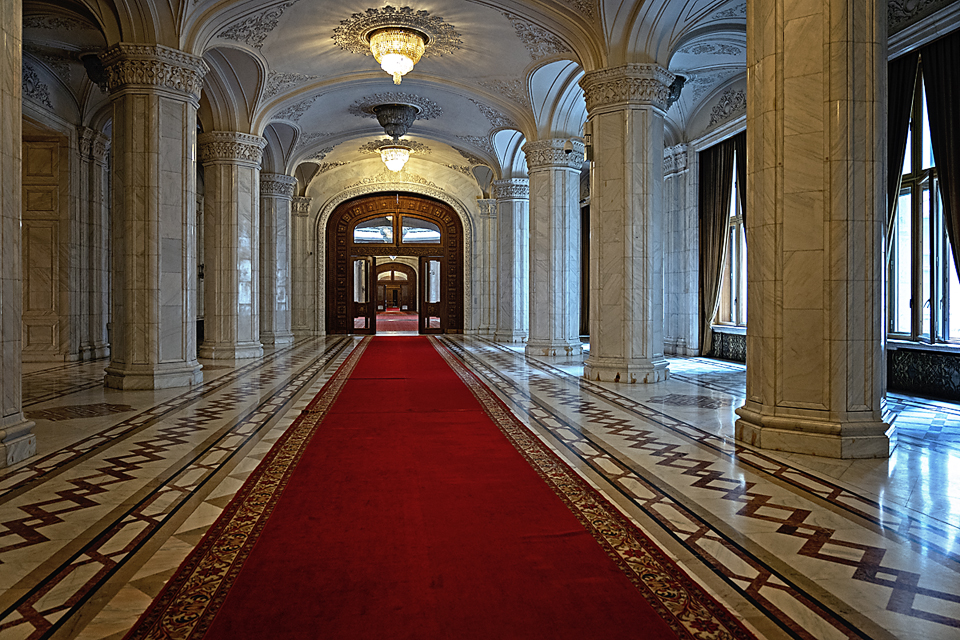
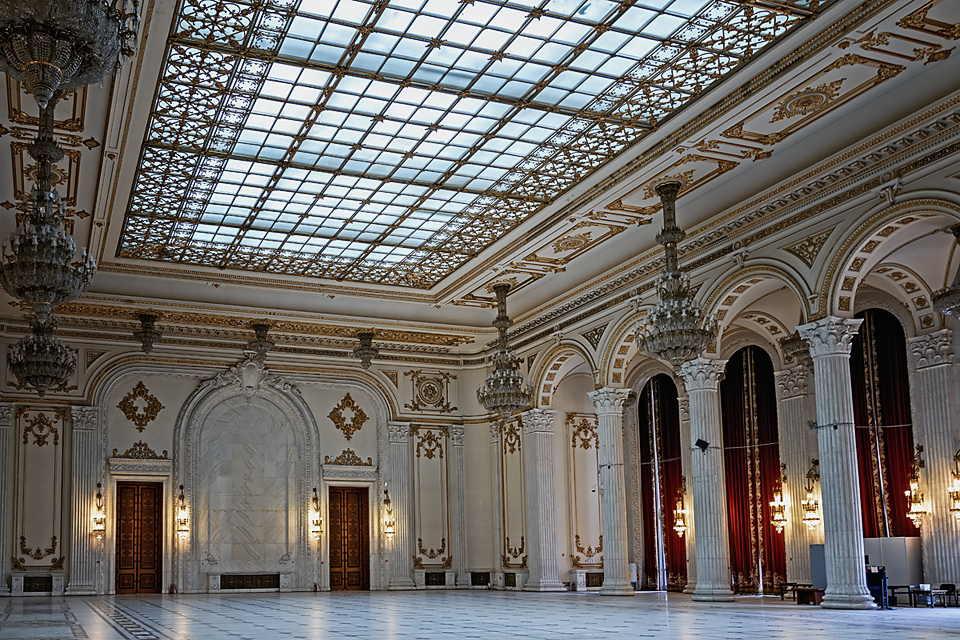
I can remember watching Michael Palin visiting Palatul Parlamentului (The Palace Of Parliament) informing people that Nicolae Ceausescu’s idea was to redesign Bucharest by constructing a series of impressive buildings meant to prove to the world how wealthy and powerful was the Socialist Republic of Romania was, but the thing that stuck in my mind was the sheer size of the building. I did some homework as to how we could visit this building prior to leaving the UK, so I knew we had to take our passports to gain access and that there would be security checks like at the airport as it’s a working political building.


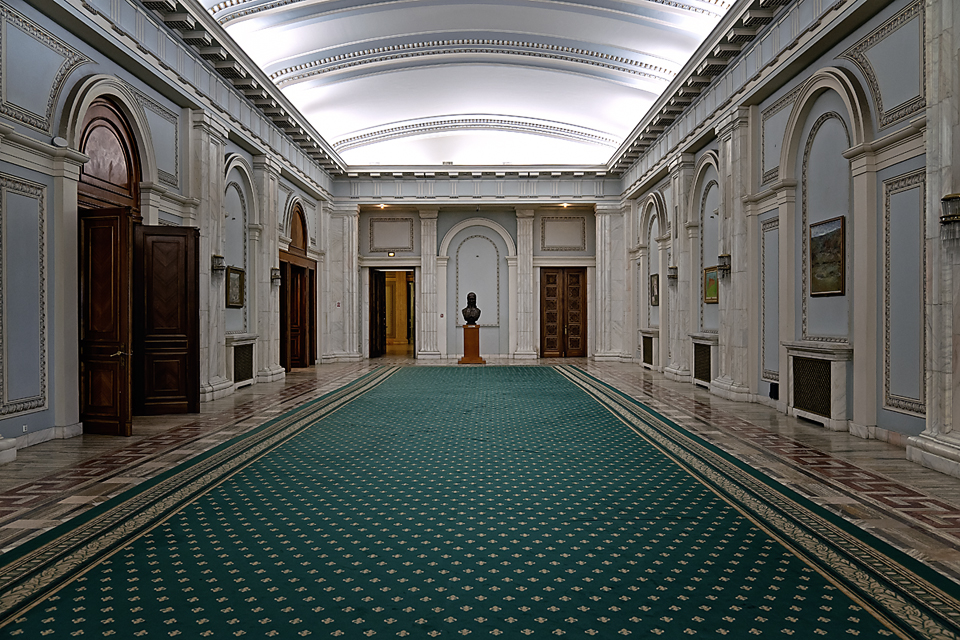
Palatul Parlamentului Corridoor
Palatul Parlamentului Red Carpet

Initially, I was put off by the fact that you have to be guided, but you have no other choice, as it is a working political building. However, the guide we had was excellent, I learned a lot about Ceausescu and the impact on the people of Romania and the history of the building. Despite only being able to take pictures handheld, we were able to take some images inside of the building. 

Palatul Parlamentului is no doubt one of the most controversial administrative buildings in the world. Maybe Ceausescu didn’t succeed in his initial goal of redesigning the face of Bucharest, but by building it he made sure that his work will never be forgotten and personally, I think it is well worth a visit.

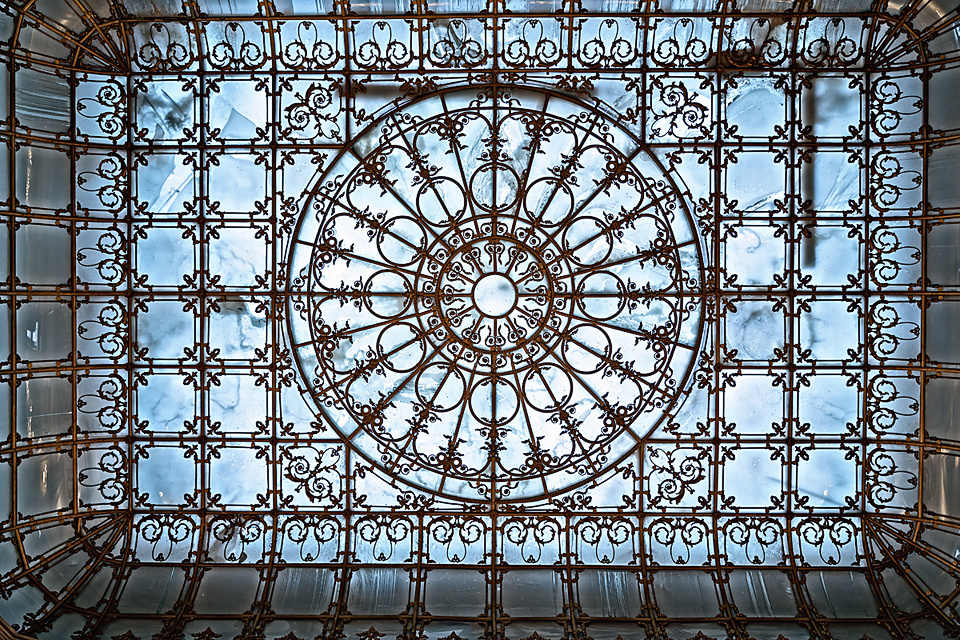
Palatul Parlamentului Glass Roof
Palatul Parlamentului Glass Roof Looking Up copy